Pellegrino Works
Pellegrino Works is a practice operating where objects remain open, incomplete, and in tension.
The work moves across collectible design, industrial collaborations, institutional contexts, and site-specific projects, engaging different scales and forms of production.
Depending on context and intent, works take shape as unique pieces, limited editions, research-driven prototypes, or production-oriented systems.
Rather than proposing finished answers, the practice positions objects as fields of inquiry.
Material, form, and meaning are kept deliberately open, allowing ambiguity, transformation, and process to remain active components of the work.
Objects are not conceived as fixed typologies, but as systems in suspension where cultural memory, material behavior, and formal contingency intersect.
In this space, presence and absence coexist, and each project contributes to a broader investigation rather than a closed outcome.
![]()
Material as agent
Materials are not neutral.
Their limits, reactions, and failures actively participate in shaping the work, often redirecting initial intentions.
Process before typology
Projects do not begin from predefined categories.
Function may remain secondary, ambiguous, or unresolved when necessary, allowing meaning to emerge through making rather than prescription.
Controlled instability
Precision and unpredictability coexist.
Control is partial and continuously renegotiated throughout the process, opening space for transformation rather than resolution.
Pellegrino Works is a practice operating where objects remain open, incomplete, and in tension.
The work moves across collectible design, industrial collaborations, institutional contexts, and site-specific projects, engaging different scales and forms of production.
Depending on context and intent, works take shape as unique pieces, limited editions, research-driven prototypes, or production-oriented systems.
Rather than proposing finished answers, the practice positions objects as fields of inquiry.
Material, form, and meaning are kept deliberately open, allowing ambiguity, transformation, and process to remain active components of the work.
Objects are not conceived as fixed typologies, but as systems in suspension where cultural memory, material behavior, and formal contingency intersect.
In this space, presence and absence coexist, and each project contributes to a broader investigation rather than a closed outcome.
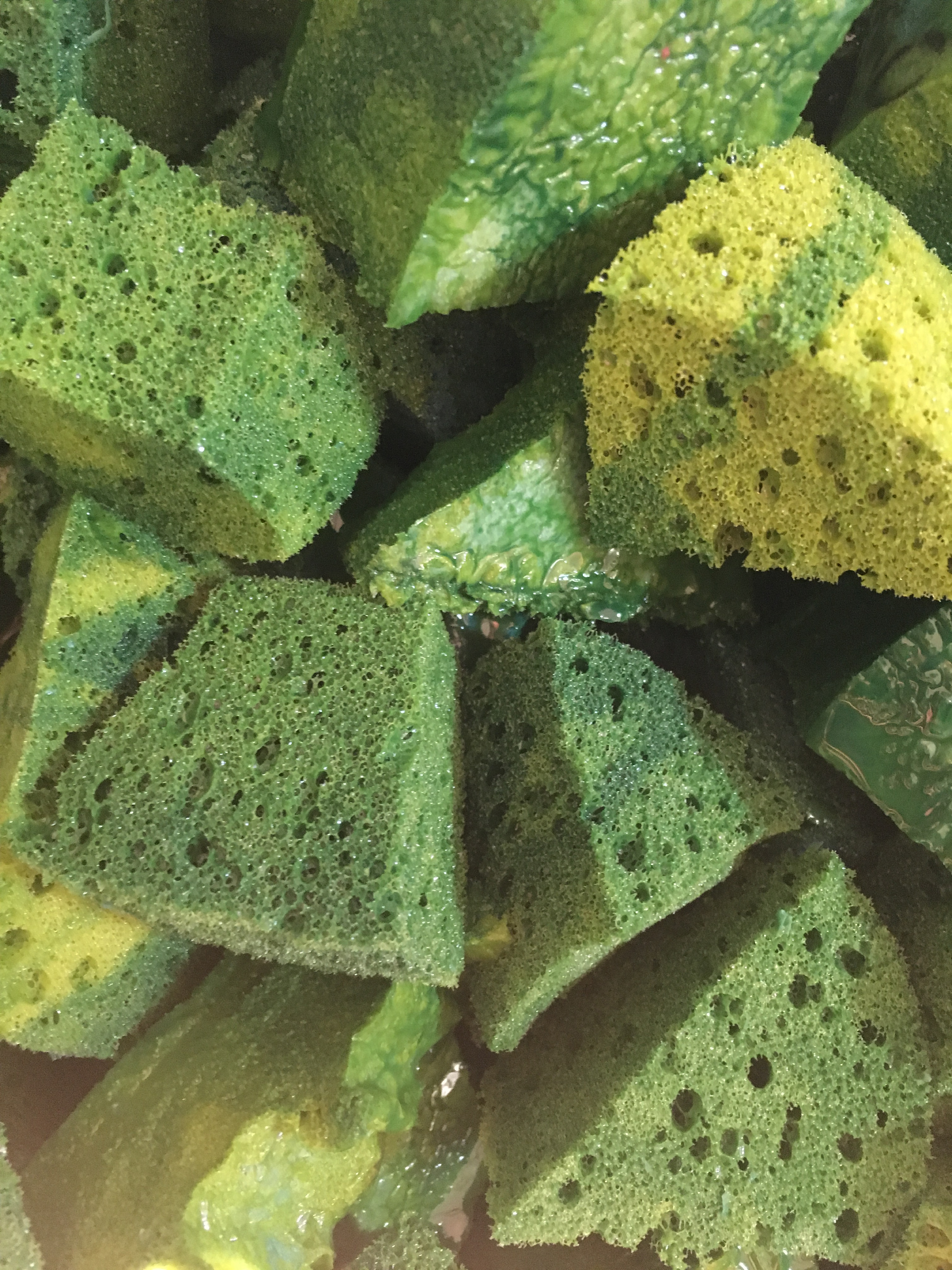
Materials are not neutral.
Their limits, reactions, and failures actively participate in shaping the work, often redirecting initial intentions.
Process before typology
Projects do not begin from predefined categories.
Function may remain secondary, ambiguous, or unresolved when necessary, allowing meaning to emerge through making rather than prescription.
Controlled instability
Precision and unpredictability coexist.
Control is partial and continuously renegotiated throughout the process, opening space for transformation rather than resolution.
Pellegrino Works by Matteo Pellegrino
© 2026
Dormant Objects
info@matteopellegrino.com
Privacy & Cookies